Lab Tests
Lab Tests at Home — Preparing Parents and Keeping Reports Straight
Preparation and records, not booking portals
A family guide to home sample collection for seniors — preparation, comfort, report storage and what Care4Parents does not do.
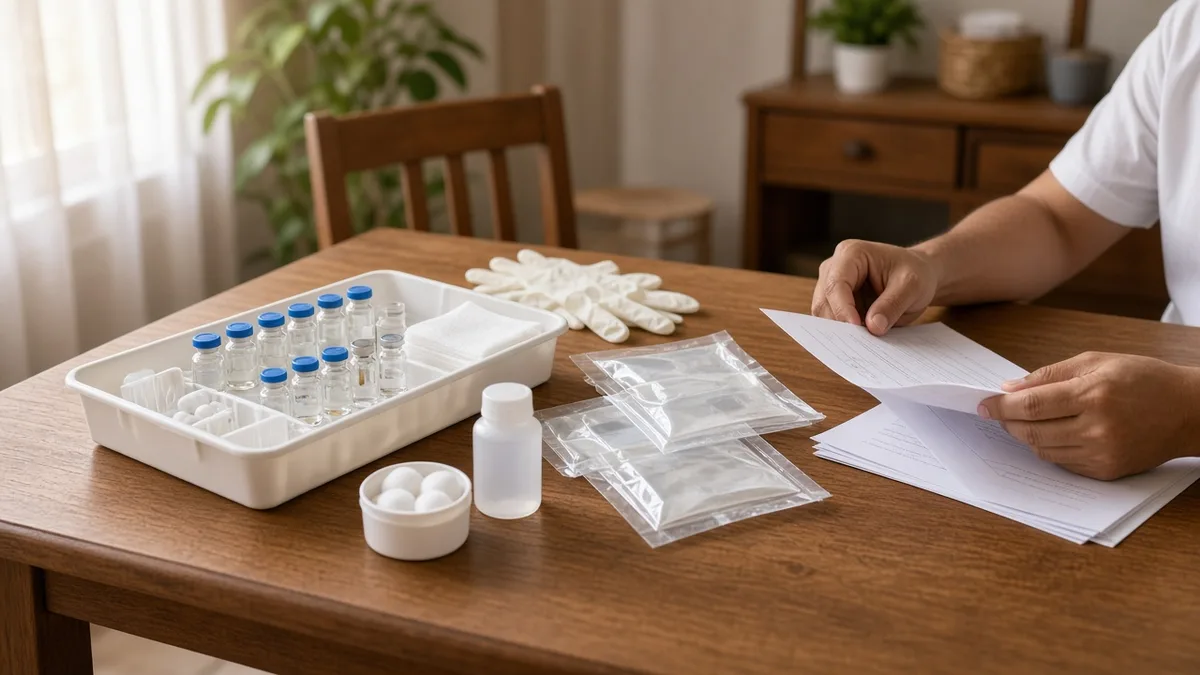
Home sample collection has made fasting blood work less stressful for many older adults in Indian cities — no early auto rickshaw to a crowded waiting room. It still requires preparation, identity checks and a place to put the results so siblings in Bengaluru and Boston see the same numbers.
This article covers family logistics around home labs. It is not diagnostic advice and Care4Parents does not book labs, interpret results or recommend packages.
Only test what a clinician ordered
Panels marketed as “full body” can create noise: incidental findings, repeat anxiety, and costs without a clear next step. Prefer tests your parents’ doctor named, with a reason you can repeat in one sentence (“check sugar control after medicine change”).
Confirm fasting rules, morning medicine timing, and whether water is allowed. Write them on a sticky note the night before. Confused fasting is a common reason for useless repeats.
If your parent is on blood thinners, has difficult veins, or becomes distressed with needles, tell the collection team when booking — through whatever lab you choose — and ask the doctor whether a clinic draw would be kinder.
Making the morning calmer
Choose a well-lit seat with arm support. Keep Aadhaar or lab ID ready if the provider requires it. Have water available for after the draw if fasting is over. An attendant or family member nearby helps if dizziness appears; lying down briefly is better than insisting on “I’m fine” while standing.
Pets and curious grandchildren should be out of the room. Phlebotomists need space and focus. Tip and thank thoughtfully if that is your family custom, but do not negotiate clinical instructions with cash.
For public-facing consumer health literacy on laboratory medicine in India, families sometimes review materials via official portals such as the Ministry of Health and Family Welfare — always interpret personal results with the ordering clinician, not with search results alone.
After the sample: reports that travel well
Ask how results will arrive (app, email, SMS, paper). Download PDFs the day they appear. Rename files: 2026-05-22-HbA1c-DrSharma.pdf. Upload to the shared family folder used for all health records.
Track units and reference ranges as printed; do not convert casually in a group chat. If two labs use different methods, tell the doctor rather than arguing online about which number is “true.”
Bring the last two or three relevant reports to the next appointment. Doctors in busy OPD settings should not hunt through thirty unlabelled WhatsApp images on your phone.
When home collection is a poor fit
Complex tests, timed hormone series, or parents who need urgent evaluation may belong in a facility. Chest pain, stroke symptoms or severe dehydration are emergency pathways — not “book a home CBC.”
If a report looks alarming, contact the ordering clinician or emergency services as appropriate. Care4Parents cannot triage lab PDFs for you.
Parents who become distressed by needles may do better with a familiar clinic nurse and a calmer waiting plan than with a rushed morning stranger at the door. Dignity and accuracy both matter; choose the setting that protects both.
After diabetes or thyroid dose changes, ask the doctor when to recheck rather than ordering weekly panels out of anxiety. More numbers are not always more safety — they are only useful inside a clinical plan you understand in plain language.
Closing
Home labs work best as a convenience layer on top of a doctor’s plan, with sober preparation and tidy records. Care4Parents publishes guides only — we do not book sample collection or explain your parents’ results. Keep decisions with licensed clinicians and accredited laboratories you select.
Common questions
- Can Care4Parents book lab tests or phlebotomists?
- No. Care4Parents publishes editorial guides only. Book collection through labs or clinicians your family chooses.
- How should we store reports?
- Keep dated PDFs or clear photos in a shared folder named by test and date. Note fasting status and the ordering doctor. Bring the set to follow-up visits.